
- home
- About us
- product
- news
- download
- contact us

2026/09/14
Your Wrought Iron Fence May Not Be as Strong as You Think | What Really Matters
A wrought iron fence can look strong but still have weak points. Discover what really affects fence strength, including steel thickness, posts, welding, structure, and installation.
/your-wrought-iron-fence-may-not-be-as-strong-as-you-think/
wrought iron fence
wrought iron fence strength
strong wrought iron fence
wrought iron fence thickness
wrought iron fence posts
wrought iron fence welding
heavy duty wrought iron fence
A wrought iron fence looks strong.
Heavy metal. Thick posts. Solid welds. A strong black finish.
At first glance, it may seem almost impossible to damage.
But appearance does not always tell you how strong a wrought iron fence really is.
Two fences can look almost identical while having very different structural strength.
One may remain stable for years.
The other may start bending, loosening, sagging, or developing problems much sooner than expected.
So what actually makes a wrought iron fence strong?
The answer is not simply “more metal.”
Several details work together to determine the real strength of a fence.

One of the first things that affects fence strength is the thickness of the steel.
A fence can have a beautiful design, but if the tubes or bars are too thin for the application, the structure may not perform as expected.
For example, a decorative garden fence and a security fence have completely different requirements.
The right thickness depends on factors such as:
Fence height
Panel width
Overall weight
Installation conditions
Wind exposure
Intended use
Gate size
This is why simply asking “Is it wrought iron?” is not enough.
You also need to know what material and thickness are actually being used.
Look at a wrought iron fence and most people immediately notice the pattern.
But from a structural point of view, the posts are one of the most important parts of the entire system.
A beautiful fence panel cannot compensate for weak posts.
The posts transfer the load from the panels into the ground.
If the posts are undersized, poorly positioned, or improperly installed, the entire fence can become unstable.
For larger fences and gates, post dimensions need to be considered together with:
Panel width
Fence height
Gate weight
Ground conditions
Wind load
Installation method
A strong fence starts with a strong structure.
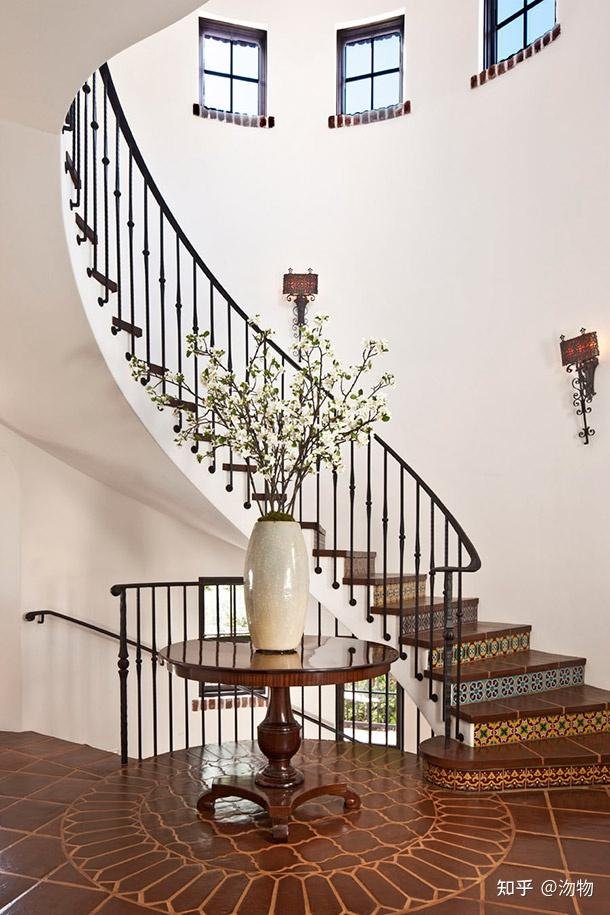
This is one of the details buyers often cannot see from product photos.
Two wrought iron fences may have the same design and dimensions, but their welding quality can be completely different.
Weak or inconsistent welds can create potential failure points.
Good welding should provide a secure connection between the components while maintaining a clean and consistent appearance.
After welding, grinding and finishing also matter.
A professional manufacturing process should control:
Cutting → Forming → Assembly → Welding → Grinding → Surface Treatment
rather than treating welding as just one quick step in production.
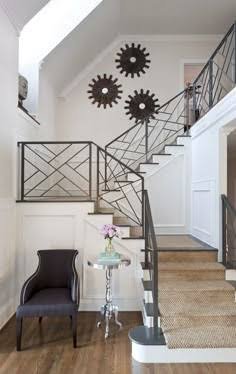
Here's another detail that is easy to overlook.
A very wide fence panel may look impressive, but increasing the panel width can also increase the load placed on the posts and connections.
This becomes even more important with:
Tall fences
Heavy decorative panels
Large gates
Areas with strong wind
Long fence runs
Sometimes adding structural support or changing the panel dimensions can produce a better result than simply making the metal heavier.
Good fence design is about balance—not just weight.
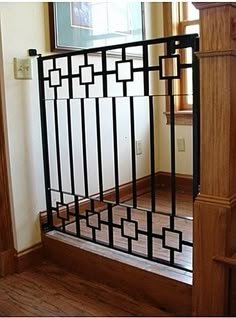
A wrought iron gate is different from a fixed fence panel.
A fence panel stays in position.
A gate moves.
And a large gate can be surprisingly heavy.
That means the frame, hinges, posts, connections, and installation all need to work together.
If the structure is not properly designed, a large gate can eventually:
Sag
Become difficult to open
Put additional stress on the hinges
Rub against the ground
Develop alignment problems
This is why gate design should be considered separately from ordinary fence panels.
Strength isn't only about the first day after installation.
Outdoor metal products are exposed to:
Rain
Humidity
Sunlight
Temperature changes
Dirt
Moisture
If corrosion begins to affect the metal, the long-term condition of the structure can eventually be affected as well.
For outdoor wrought iron products, proper surface preparation and protection are therefore extremely important.
A galvanizing + powder coating system can provide additional protection against corrosion and weather exposure when properly applied.
The quality of the surface treatment process matters just as much as the name of the coating.

Even a well-made wrought iron fence can perform poorly if it is installed incorrectly.
The posts need to be properly positioned and securely fixed.
The fence should also be installed according to the actual ground conditions.
Common problems can include:
Uneven posts
Incorrect post spacing
Poor anchoring
Improper gate alignment
Insufficient support
Incorrect installation on sloped ground
In other words:
A strong fence still needs a strong installation.
It isn't one single feature.
A high-quality wrought iron fence is the result of multiple factors working together:
Material + Thickness + Structure + Posts + Welding + Surface Treatment + Installation
You could have thick steel but poor welding.
You could have excellent welding but weak posts.
You could have a strong frame but poor installation.
That's why judging a fence only by its appearance—or even its weight—isn't enough.
Before placing an order, consider asking:
What steel thickness do you use?
What are the post dimensions?
How are the panels connected to the posts?
How are the components welded?
What surface treatment is used?
Is galvanizing available for outdoor applications?
How are large gates structurally reinforced?
What installation method do you recommend?
Can the dimensions be customized?
Can you provide production photos or videos?
A reliable manufacturer should be able to explain these details clearly.
A wrought iron fence can look heavy, elegant, and extremely strong.
But the real quality is often hidden behind the finished surface.
The steel thickness, post design, welding, structure, surface treatment, and installation all contribute to the final result.
So when comparing two wrought iron fences, don't just compare the patterns.
Look underneath the design.
That's where the real difference is.