
- home
- About us
- product
- news
- download
- contact us

2026/10/09
Before starting bulk production, evaluating samples is an important step in ensuring product quality and avoiding unnecessary costs. A well-checked sample helps confirm that the product meets the customer's requirements and can be manufactured consistently.
For metal stamping parts, wrought iron components, and other custom metal products, sample evaluation should cover several key areas.
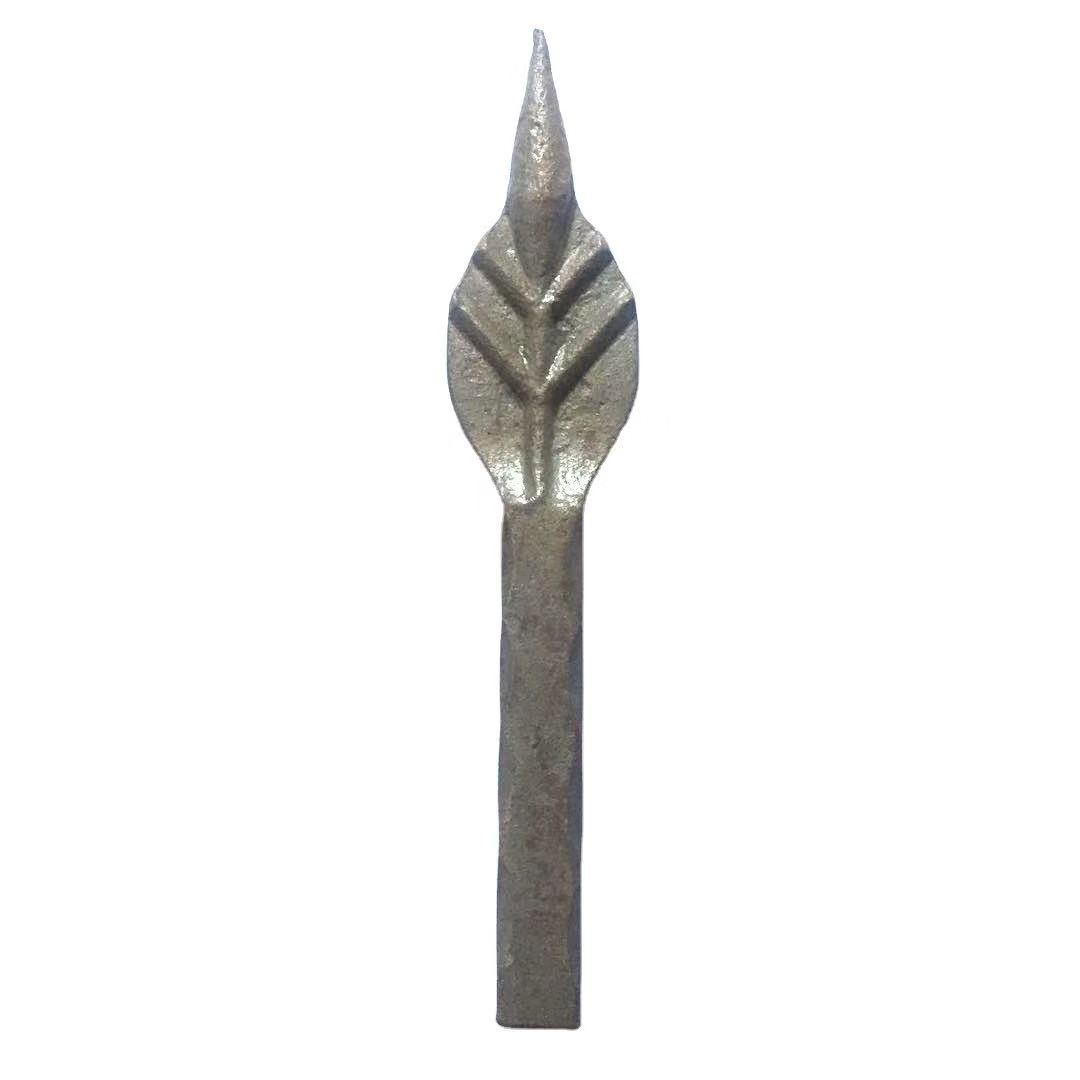
The first step is to check whether the sample matches the approved drawings and specifications. Measure the length, width, thickness, hole positions, and other critical dimensions.
For custom metal parts, even small dimensional differences may affect assembly or installation. Using appropriate measuring tools helps ensure that the sample meets the required tolerances.
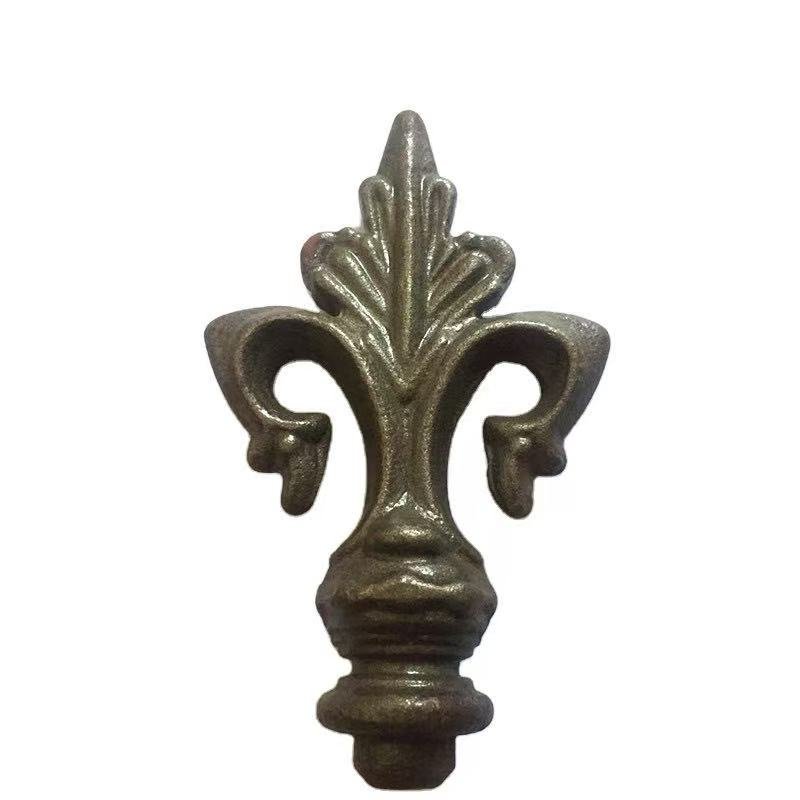
Material quality directly affects product strength, durability, and performance. Confirm that the sample uses the specified material and thickness.
For metal stamping parts, the material should also be suitable for the intended forming and stamping processes. If necessary, material certificates or additional tests can help verify compliance with customer requirements.
Surface quality is especially important for decorative iron products, gates, railings, and metal accessories.
Check for scratches, rust, burrs, sharp edges, uneven surfaces, and other visible defects. If the product requires powder coating, painting, or galvanizing, inspect the coating for uniformity, adhesion, and coverage.
A good surface finish improves both appearance and product protection.
A sample should be tested in the way it will be used in the final application. Check whether the parts fit together correctly and whether holes, mounting points, and connection areas align with the drawings.
For decorative iron components, confirm that the parts can be welded or assembled as expected. Functional testing can help identify problems before they affect an entire production batch.
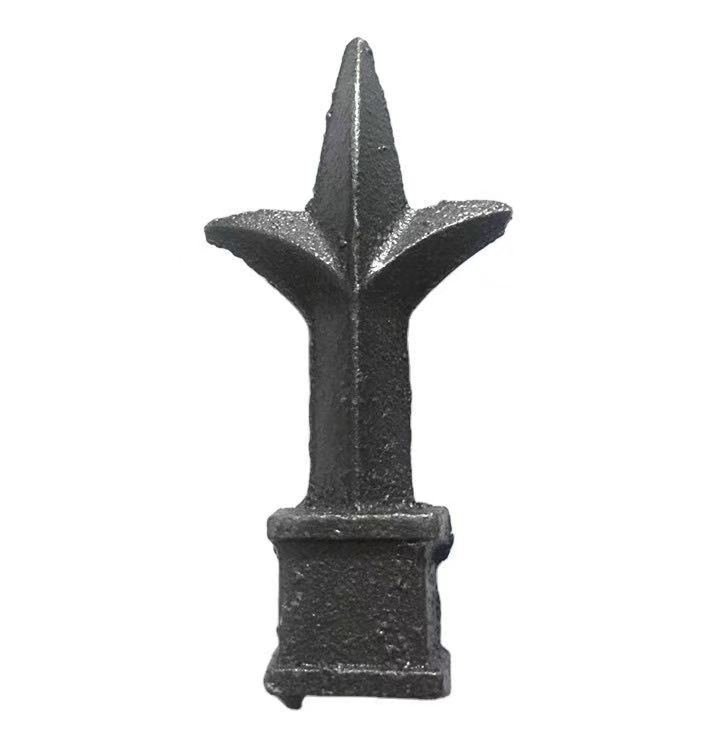
Packaging is another important factor to consider before bulk production. Metal parts may become scratched, bent, or damaged during transportation if they are not properly protected.
Check whether the sample packaging provides adequate protection and whether the labeling, quantities, and packaging materials meet the customer's requirements.
A sample may look good, but mass production must achieve the same quality consistently. Manufacturers should evaluate whether the approved design can be produced reliably using the planned tooling, equipment, and production processes.
For metal stamping parts, checking tooling accuracy and process stability is particularly important. For wrought iron components, consistent dimensions, welding quality, and surface treatment should also be considered.
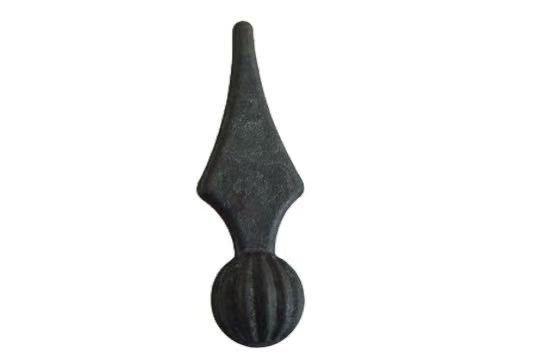
Before starting bulk production, send the sample to the customer for inspection and approval when required. Confirm that the customer agrees with the dimensions, material, finish, appearance, and other important specifications.
Keep a record of the approved sample, drawings, inspection results, and any agreed changes. This helps both parties maintain clear expectations throughout production.
Evaluating samples before bulk production helps reduce quality risks, avoid costly rework, and improve communication between manufacturers and customers.
By checking dimensions, materials, surface finish, functionality, packaging, and production consistency, manufacturers can identify potential problems early and move into mass production with greater confidence. A clear sample approval process is an important foundation for reliable product quality and long-term business cooperation.