
- home
- About us
- product
- news
- download
- contact us

2026/10/10
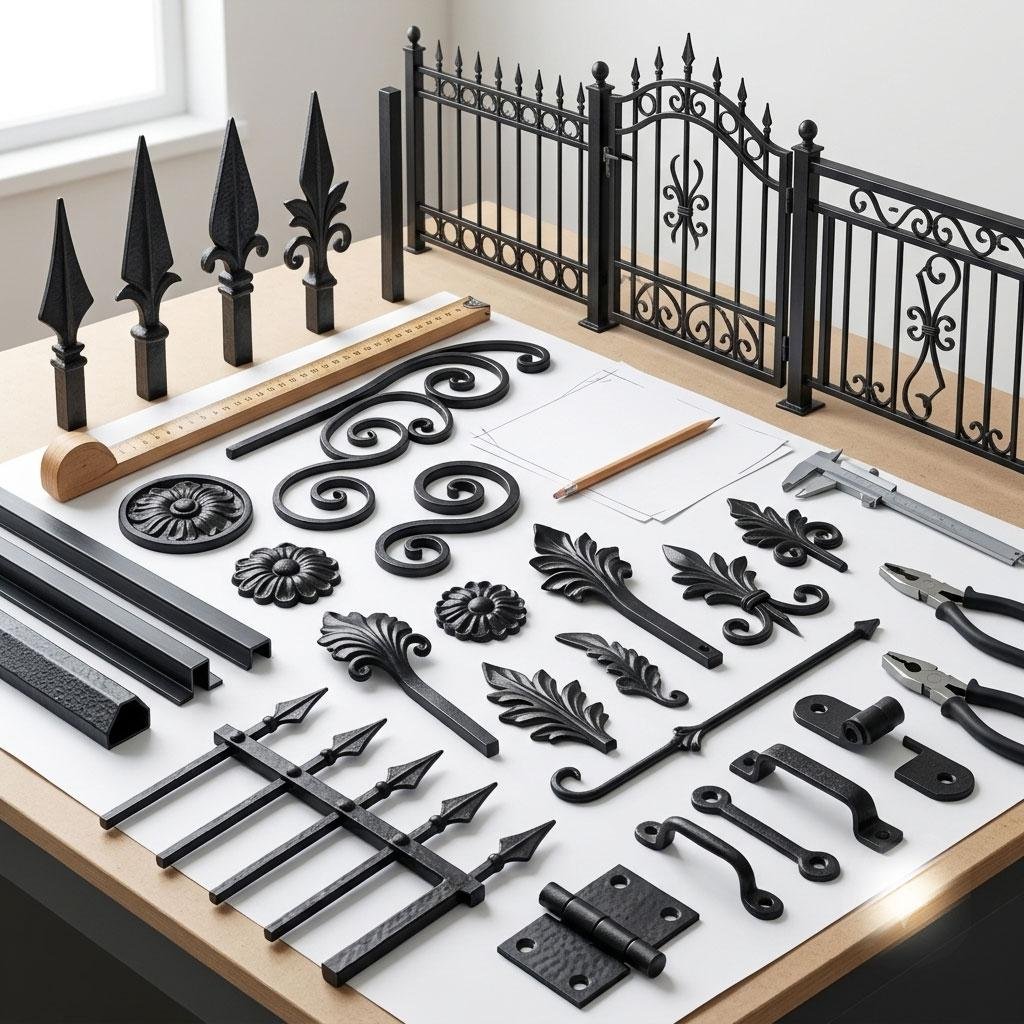
Decorative iron parts can change the appearance of a gate or fence without requiring a completely new design. From curved wrought iron scrolls to pointed spearheads and stamped metal ornaments, the right components help manufacturers create products that match different architectural styles.
For gate manufacturers, ornamental iron fabricators, and distributors, choosing the right decorative iron parts involves more than appearance. Material, dimensions, manufacturing consistency, surface finish, and supplier capabilities all affect the final result.
This guide explains what to look for when sourcing decorative iron components for commercial projects and bulk orders.
Decorative iron components come in many shapes and sizes. Each type serves a different purpose in the overall design.
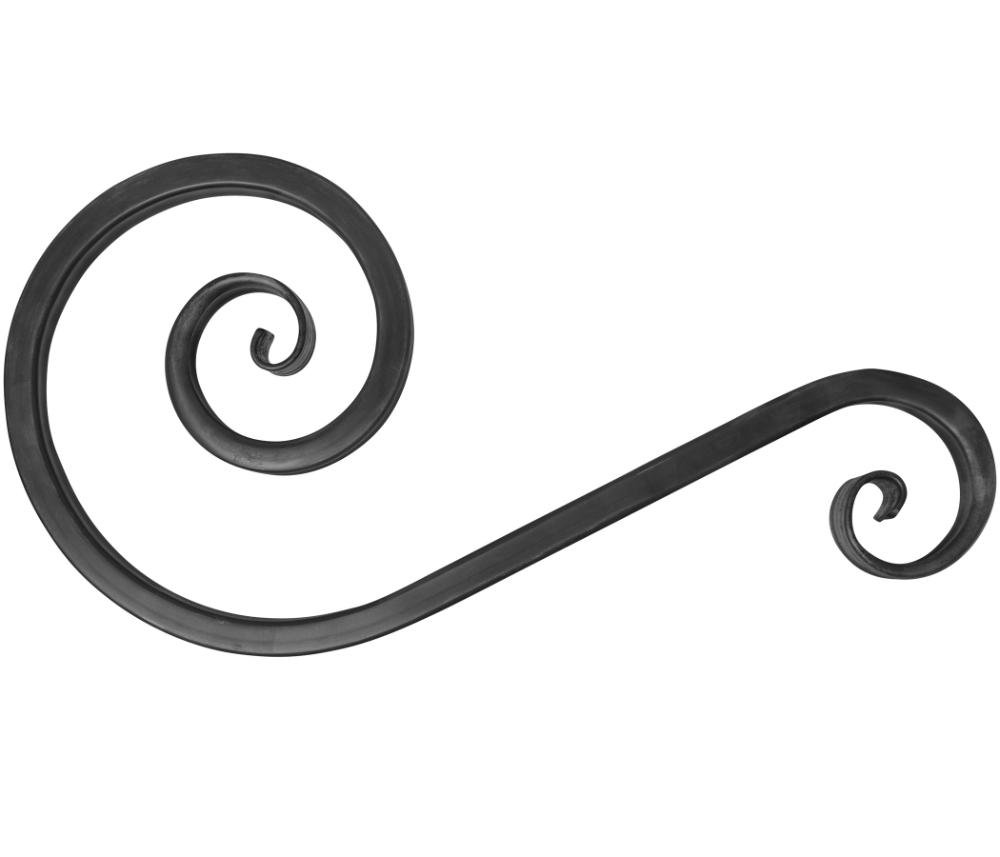
Scrolls are curved metal components commonly used in ornamental gates, fences, balcony railings, and garden enclosures. Their flowing shapes create a traditional and elegant appearance.
S-scrolls, C-scrolls, and symmetrical scroll patterns are popular choices. Buyers can select standard designs or request custom shapes to match a specific gate pattern.
When choosing scrolls, consider their overall dimensions, material thickness, and connection points. These details help ensure the components fit the finished product.
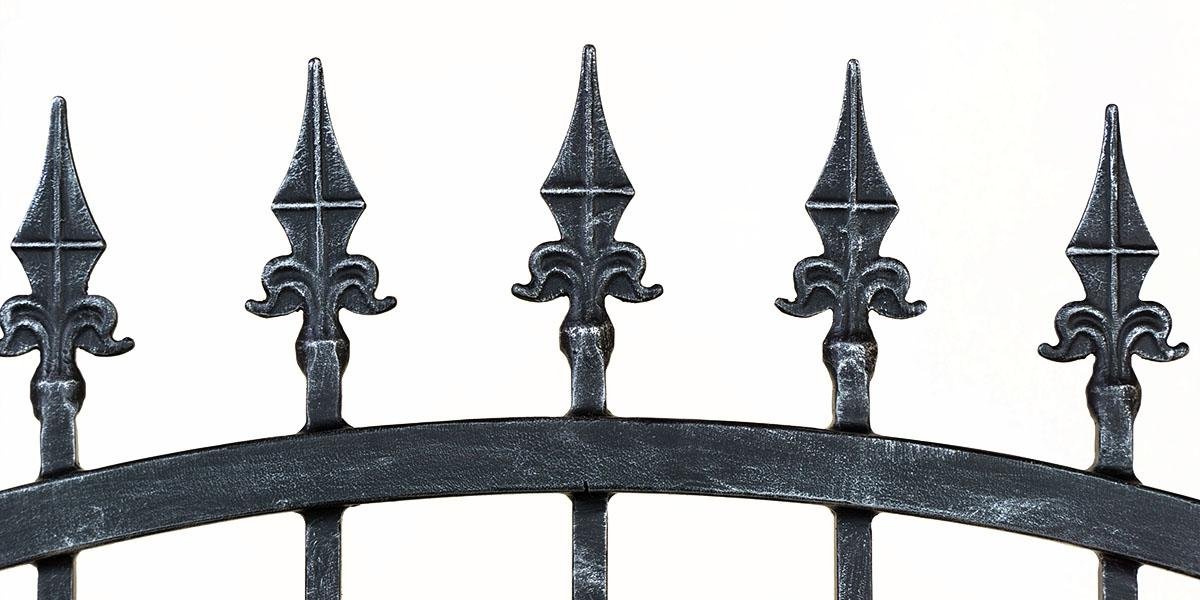
Spearheads are pointed decorative elements often installed along the upper sections of gates and fences. They create a strong visual outline and complement curved scrollwork.
Different spearhead styles can produce different effects, from simple traditional designs to more elaborate ornamental patterns.
For bulk purchasing, buyers should confirm the overall height, base dimensions, mounting method, and material specifications before placing an order.
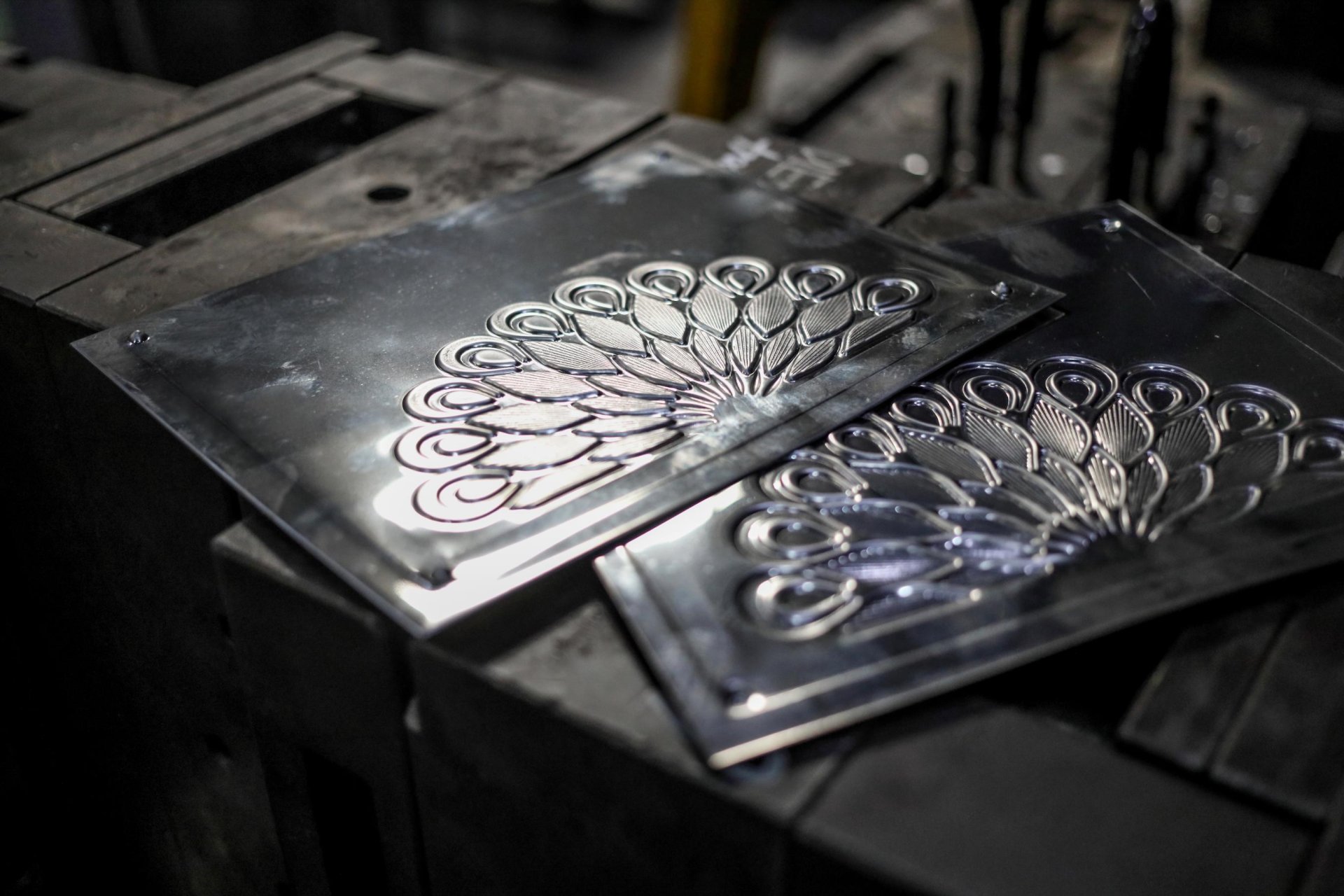
Metal stamping is suitable for producing decorative components with consistent shapes and repeatable dimensions.
Stamped leaves, flowers, decorative plates, and other ornamental parts can be used in gates, fences, furniture, and architectural metalwork.
For projects requiring repeated designs or larger quantities, buyers should consider tooling costs, expected order volume, and the level of dimensional consistency required.
Additional components include collars, rings, metal leaves, decorative caps, and connecting ornaments.
Combining several types of components can help manufacturers create distinctive designs while using standardized parts wherever possible.
The best decorative iron parts should match both the design and the manufacturing requirements of the finished product.
A decorative component that looks attractive on its own may not work well when installed on a large gate or a small fence panel.
Before ordering, check the component's length, width, thickness, and mounting dimensions. If the parts must fit an existing design, provide a drawing or sample whenever possible.
For example, a gate manufacturer developing a new ornamental pattern may need several scroll sizes to maintain visual balance across different panels.
Material selection depends on the intended use, forming process, required strength, and budget.
Decorative components for outdoor gates and fences may need to withstand moisture, temperature changes, and regular exposure to the elements. Buyers should discuss the appropriate material grade and corrosion protection with their supplier.
Do not assume that every decorative iron part uses the same material. Confirm the specifications for each product before production.
Decorative components may be welded, fitted, or mechanically attached, depending on their design.
Before ordering, confirm the connection method and whether the component dimensions are compatible with the existing frame or structure.
Good compatibility can reduce fitting adjustments, unnecessary rework, and production delays.

A successful ornamental design usually has a clear visual hierarchy rather than too many competing details.
For a traditional gate, spearheads can be arranged along the upper edge, while scrolls form the main decorative pattern below. Small leaves or decorative rings can be added where they complement the design.
For a simpler design, fewer components may produce a cleaner appearance and make fabrication easier.
Manufacturers should also consider repeatability. If a project involves multiple gates or fence panels, using a consistent combination of components helps maintain a uniform appearance across the installation.
Before ordering large quantities, it is useful to review a drawing or sample assembly to check proportions and component placement.
Both standard and custom components can be suitable, depending on the project.
Standard parts are often a practical option when buyers need familiar designs, established dimensions, or components for routine production. They can also simplify repeat orders when the same specifications are used.
Custom components are more appropriate when a project requires a distinctive pattern, non-standard dimensions, or a design that must match an existing product.
A manufacturer with its own design team can help develop components from customer drawings, physical samples, or design ideas.
For example, a distributor may need a decorative scroll that matches a customer's existing gate collection. Instead of redesigning the entire gate, the supplier may be able to develop the required component separately.
When evaluating a custom order, discuss the following points:
Drawing review and dimensional requirements
Material selection and manufacturing process
Tooling or mold costs, if applicable
Sample development and approval
Minimum order quantity and production lead time
Packaging and shipping requirements
For stamped metal parts, tooling costs deserve particular attention. Buyers should compare the initial investment with the expected order volume and long-term demand.
Finding a suitable supplier is important for both product quality and long-term purchasing efficiency.
Product range: A supplier offering scrolls, spearheads, stamped ornaments, and other decorative components may help buyers source multiple product types through one channel.
Customization capability: Check whether the supplier can work from drawings, samples, or design concepts rather than offering only fixed catalog items.
Specification control: Confirm material, dimensions, tolerances where necessary, surface finish, and inspection requirements before production.
Sample evaluation: Samples can help buyers check the shape, finish, dimensions, and suitability of a component before approving a larger order.
Export experience: For international purchases, consider the supplier's experience with export packaging, documentation, communication, and shipment coordination.
A clear quotation should identify the product specifications, quantities, tooling charges if any, packaging details, and agreed delivery terms. This makes it easier to compare suppliers on a consistent basis.
Working directly with a manufacturer can be useful when buyers need customized components, coordinated production, or ongoing supply.
An integrated manufacturing and trading company may combine production coordination, design support, quality checks, and export services. This can simplify communication for overseas customers, especially when an order includes several different components.
At Qingdao Benxiang, we focus on wrought iron components, decorative iron parts, and custom metal products. With around 20 years of export experience in the US and European markets, we work with customers to develop products based on their drawings, samples, or ideas.
Our design team can help review product concepts and discuss suitable manufacturing approaches. Customers can also request samples for evaluation before moving forward with bulk production.
For distributors and fabricators, this approach offers a way to explore new product designs while keeping component requirements clear from the beginning.
Providing clear information helps a supplier prepare a more relevant quotation.
When requesting a quote for decorative iron parts, include:
Product photos, drawings, or reference samples
Required dimensions and material specifications
Estimated order quantity
Surface treatment and color requirements
Packaging preferences
Destination country or port
Target delivery schedule, if applicable
If some details are not yet available, start with photos and estimated quantities. The supplier can then identify which specifications need to be confirmed.
For custom parts, it is also helpful to explain whether the components are intended for a new design or to replace existing products.
Choosing decorative iron parts involves balancing appearance, dimensions, material, production requirements, and cost. Wrought iron scrolls, spearheads, stamped ornaments, and other metal components can be combined to create a wide range of gate and fence designs.
For distributors, gate manufacturers, and ornamental iron fabricators, the right supplier should offer more than a product catalog. Consistent specifications, customization support, sample evaluation, and reliable export coordination can all contribute to a smoother purchasing process.
Looking for decorative iron parts for your next project?
Contact Qingdao Benxiang to discuss your requirements. Send us your drawings, product photos, or ideas, along with your estimated quantity and specifications. We can review your needs and discuss suitable standard or custom components for your business.